
.avif)


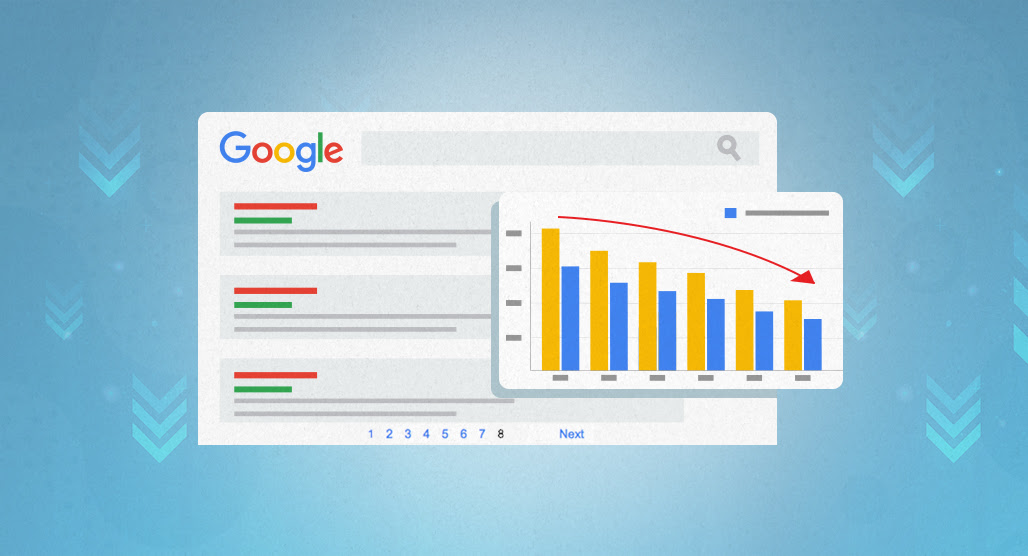
How to Improve Google Rankings Organically
How to Improve Google Rankings Organically
How to Improve Google Rankings Organically: A Complete Guide to Sustainable SEO Success
Building strong visibility on Google without depending on paid advertisements is one of the most valuable long-term investments a business can make. Organic SEO not only increases website traffic but also improves brand credibility, generates qualified leads, and creates sustainable growth opportunities.
However, ranking higher on Google has become increasingly competitive. Search engines no longer reward outdated tactics like keyword stuffing or low-quality backlinks. Instead, Google prioritizes websites that provide genuine value, exceptional user experiences, technical reliability, and trustworthy information.
If your website struggles to gain visibility despite consistent effort, the problem may involve weak content strategies, technical SEO issues, poor optimization, or insufficient authority.
Fortunately, improving rankings organically is possible with a structured approach.
This guide explores proven SEO strategies that help businesses strengthen search visibility, attract more targeted visitors, and build lasting online authority.
Why Organic Google Rankings Are Essential for Long-Term Business Growth
Organic rankings influence how often potential customers discover your business during online searches. Higher positions on search engine results pages (SERPs) typically lead to increased traffic, stronger credibility, and improved conversion rates.
Businesses investing in organic SEO often experience:
- Consistent website traffic growth
- Higher-quality leads
- Increased brand recognition
- Lower customer acquisition costs
- Improved trust and credibility
- Sustainable long-term results
Unlike paid advertising, which stops producing traffic when budgets end, organic SEO continues delivering value over time. Consequently, strong rankings become long-term business assets.
Understanding What Google Looks for When Ranking Websites
Google evaluates hundreds of factors before deciding where a webpage should appear in search results. Although algorithms evolve frequently, several core principles remain consistent.
Search engines primarily assess:
Content Relevance
Does your content accurately answer user questions?
Website Authority
Does your business demonstrate expertise and credibility?
User Experience
Is your website fast, mobile-friendly, and easy to navigate?
Technical Performance
Can search engines crawl and index your pages effectively?
Content Quality
Does your content offer unique value compared with competitors?
Therefore, improving rankings requires optimizing every aspect of your website rather than focusing solely on keywords.
Start With Strategic Keyword Research Instead of Guesswork
Keyword research remains the foundation of successful SEO.
Without understanding what your audience searches for, content creation becomes inefficient.
Effective keyword research should target:
- Primary keywords
- Long-tail keywords
- Informational searches
- Commercial intent searches
- Local search terms
- Question-based keywords
For example:
Generic keyword:
SEO
Targeted keyword:
How to improve Google rankings organically
Long-tail keywords often produce better conversions because they align closely with user intent. Additionally, they frequently have lower competition.
Useful tools include:
- Google Search Console
- Google Keyword Planner
- Ahrefs
- SEMrush
- Ubersuggest
The objective should not be chasing search volume alone but identifying opportunities that attract qualified users.
Build Content That Solves Problems and Demonstrates Expertise
Content continues to play a major role in organic rankings.
Google increasingly rewards content that provides comprehensive answers, demonstrates expertise, and satisfies search intent.
High-performing content should:
✓ Solve specific problems
✓ Offer practical insights
✓ Include relevant examples
✓ Demonstrate industry knowledge
✓ Address user intent clearly
✓ Remain updated regularly
Content formats worth prioritizing include:
- Blog posts
- Case studies
- Guides
- Tutorials
- Service pages
- FAQs
- Industry insights
Publishing consistently strengthens topical authority over time.
Furthermore, businesses that create educational content often position themselves as trusted resources within their industries.
Create Topic Clusters to Establish Authority in Your Industry
Publishing random articles may generate traffic, but it rarely builds authority.
Instead, develop interconnected content clusters.
Example:
Main Topic:
SEO
Supporting Topics:
- Local SEO
- Technical SEO
- On-page SEO
- Link building
- SEO audits
- Content marketing
- Keyword research
This structure signals expertise to search engines and increases ranking opportunities across multiple keywords.
Consequently, topical authority can improve overall domain performance.
Strengthen On-Page SEO to Improve Visibility
Even exceptional content may struggle if on-page optimization is weak.
Key on-page SEO elements include:
Optimize Title Tags
Poor example:
Home Page
Better example:
How to Improve Google Rankings Organically: Proven SEO Strategies
Strong titles improve click-through rates and help Google understand page intent.
Write Compelling Meta Descriptions
Meta descriptions should:
- Include target keywords
- Encourage clicks
- Communicate value clearly
Improve Heading Structure
Logical heading hierarchy improves readability.
Use:
H1 → Main topic
H2 → Major sections
H3 → Supporting ideas
Simplify URLs
Preferred:
website.com/google-ranking-tips
Avoid:
website.com/page?id=1234
Strengthen Internal Linking
Internal links help:
- Increase session duration
- Improve crawlability
- Distribute authority
- Guide users to relevant pages
Internal linking remains one of the most overlooked SEO opportunities.
Improve Website Speed to Reduce Bounce Rates
Users expect websites to load quickly.
Slow-loading websites often experience:
- Lower engagement
- Reduced conversions
- Higher bounce rates
- Poor user satisfaction
Improve performance by:
- Compressing images
- Minimizing code
- Using caching systems
- Choosing reliable hosting
- Reducing redirects
Even small speed improvements can positively affect rankings.
Prioritize Mobile Optimization for Better Rankings
Google primarily evaluates mobile experiences when ranking websites.
Therefore, mobile usability directly affects visibility.
Your website should:
✓ Use responsive design
✓ Load quickly on smartphones
✓ Offer intuitive navigation
✓ Maintain readable text sizes
✓ Avoid intrusive popups
Mobile-friendly websites generally perform better in both rankings and user engagement.

Technical SEO: The Hidden Foundation Behind Strong Rankings
Technical SEO ensures search engines can understand your website properly.
Important areas include:
XML Sitemaps
Help search engines discover content efficiently.
Crawlability
Ensure important pages remain accessible.
HTTPS Security
Secure websites build trust and improve credibility.
Structured Data
Schema markup helps search engines interpret content.
Broken Links
Fixing errors improves usability and crawl efficiency.
Canonical Tags
Prevent duplicate content issues.
Strong technical foundations often support significant ranking improvements.
Align Every Page With User Search Intent
Keywords alone no longer guarantee rankings.
Google increasingly rewards content that satisfies intent.
Common search intent categories:
Informational Intent
Users seek answers.
Example:
“What is technical SEO?”
Commercial Intent
Users compare options.
Example:
“Best SEO agency”
Transactional Intent
Users intend to purchase.
Example:
“Hire SEO consultant”
Navigational Intent
Users seek specific websites.
Matching content with intent improves engagement and ranking potential.
Earn High-Quality Backlinks to Increase Authority
Backlinks continue influencing rankings significantly.
However, quality matters more than quantity.
Strong backlink sources include:
- Industry websites
- News publications
- Local directories
- Partnerships
- Guest articles
- Resource pages
Avoid:
❌ Spam links
❌ Purchased links
❌ Link exchanges
❌ Low-quality directories
Ethical backlink strategies support sustainable SEO growth.
Optimize for Local SEO to Capture Nearby Customers
For service-based businesses, local SEO remains extremely valuable.
Improve local rankings through:
- Google Business Profile optimization
- Location-based keywords
- Customer reviews
- Local citations
- Localized content creation
Examples:
“SEO company in Toronto”
“Digital marketing agency near me”
Local searches often produce stronger conversion rates because purchase intent is higher.
Refresh Older Content to Maintain Rankings
Older pages can lose relevance over time.
Updating existing content may improve rankings faster than publishing entirely new articles.
Refresh content by:
- Updating statistics
- Expanding information
- Improving readability
- Adding recent examples
- Optimizing keywords
Consistent updates signal freshness to search engines.
User Experience Is Becoming More Important for SEO
Google increasingly values how users interact with websites.
Focus on improving:
Navigation
Make important pages easy to find.
Design
Professional designs increase trust.
Readability
Use short paragraphs, lists, and headings.
Engagement
Encourage users to explore additional content.
Positive experiences often lead to better retention and improved SEO outcomes.
Measure SEO Performance and Adjust Your Strategy
SEO requires continuous evaluation.
Monitor:
- Organic traffic
- Keyword rankings
- Click-through rates
- Bounce rates
- Conversions
- Search impressions
Tools such as Google Analytics and Search Console help identify opportunities for improvement.
Successful SEO depends on ongoing refinement.
Common SEO Mistakes That Can Hurt Rankings
Avoid these mistakes:
❌ Keyword stuffing
❌ Duplicate content
❌ Poor internal linking
❌ Thin pages
❌ Ignoring technical SEO
❌ Weak mobile experiences
❌ Low-quality backlinks
❌ Slow website performance
Small issues can accumulate and negatively affect rankings over time.
How Long Does Organic SEO Take to Deliver Results?
SEO is a long-term process.
Typical expectations include:
1–3 Months
Technical improvements and indexing gains
3–6 Months
Early ranking improvements and traffic increases
6–12 Months
Noticeable organic growth
12+ Months
Stronger authority and sustainable visibility
Results vary depending on competition, website condition, and industry.
Consistency remains essential.
Why Businesses Often Partner With SEO Experts for Faster Growth
Organic SEO involves multiple moving parts:
- Technical optimization
- Content strategy
- Keyword research
- Competitor analysis
- Authority building
- Performance tracking
Many businesses accelerate growth by working with experienced SEO professionals who develop tailored strategies aligned with long-term goals.
Comprehensive SEO support can help identify hidden issues, improve rankings, and strengthen online visibility more efficiently.
Final Thoughts: Sustainable Google Rankings Come From Continuous Optimization
Improving Google rankings organically is not about quick fixes.
Instead, sustainable success comes from creating valuable content, improving technical performance, strengthening authority, and delivering exceptional user experiences.
Long-term growth depends on combining:
- Strategic keyword research
- Content marketing
- Technical SEO
- On-page optimization
- Link building
- User experience improvements
Although SEO requires patience, businesses investing consistently often achieve stronger visibility, increased credibility, and sustainable growth.
The websites ranking highest today are usually those committed to providing lasting value rather than chasing short-term tactics.
.png)




.png)


