
.avif)


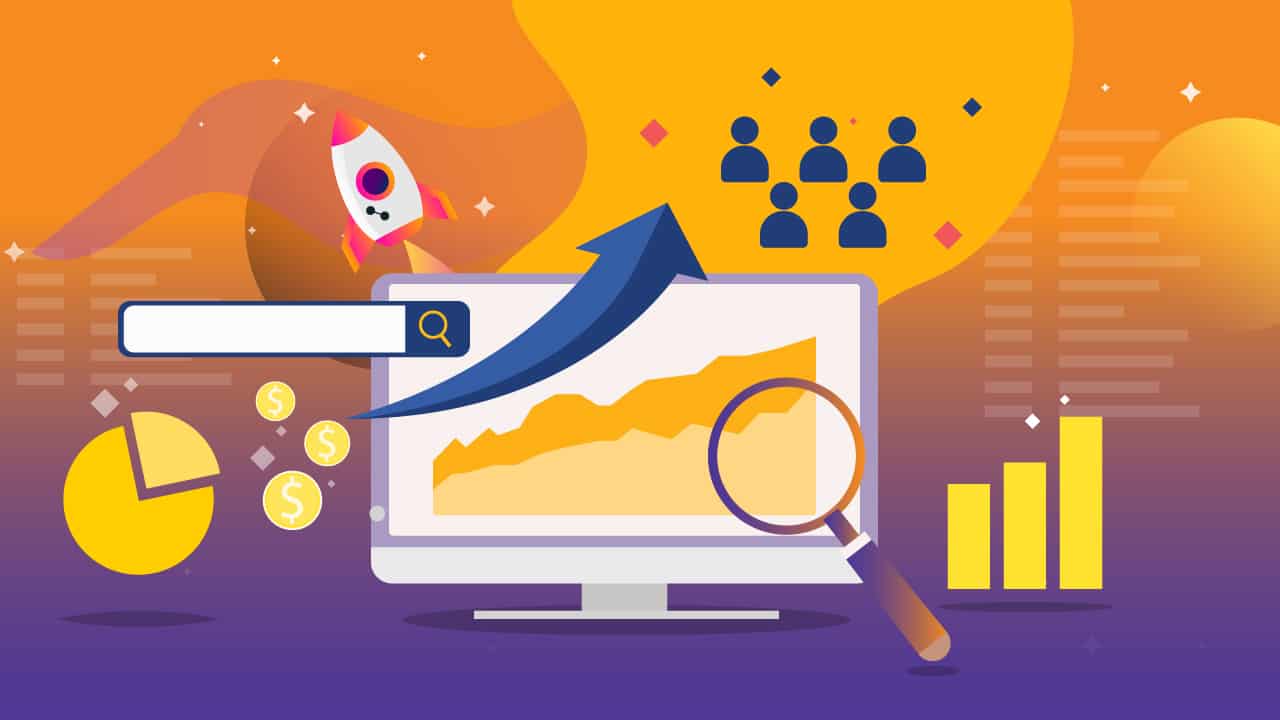
How to Increase Website Traffic Organically in 2026
Learn how to increase website traffic organically in 2026 with proven SEO strategies including content marketing, technical SEO, backlinks, and AI-driven optimization techniques to grow your online visibility...
How to Increase Website Traffic Organically in 2026
In 2026, organic traffic is no longer just a marketing channel; it is the backbone of sustainable digital growth. With search engines becoming more intelligent and AI-driven systems reshaping how users discover information, businesses must adopt advanced SEO strategies that go beyond traditional optimization.
Unlike paid ads, organic traffic continues to deliver results over time, building authority, trust, and consistent conversions without ongoing spending. However, competition has intensified, and only websites that deliver real value, strong technical performance, and deep topical relevance are able to rank consistently.
At Aeth Digital, we help businesses unlock scalable organic growth through modern SEO systems, content strategy, and performance optimization. This guide explains the most effective methods to increase website traffic organically in 2026.
1. Master User Intent Optimization for Search Success
In modern SEO, keywords alone are no longer enough. Instead, search engines prioritize user intent satisfaction, meaning your content must match exactly what the searcher wants.
There are four primary types of intent:
- Informational (learning and research-based queries)
- Navigational (brand or website-specific searches)
- Commercial (comparison and evaluation searches)
- Transactional (action or purchase-driven queries)
To succeed, content must be created with precision targeting. For example, instead of writing for “SEO services,” it is far more effective to target “affordable SEO services for startups to increase organic traffic in 2026.”
Additionally, content should directly answer user questions within the first few sections, as AI-driven search systems now prioritize immediate clarity and relevance.
2. Develop Authority Through Structured Content Ecosystems
Search engines now favor websites that demonstrate expertise across entire topics rather than isolated articles. This is why content ecosystems (topic clusters) are essential.
A strong ecosystem includes:
- A comprehensive pillar page covering the main subject
- Multiple supporting blog posts targeting subtopics
- Strategic internal linking between all related content
For example, a pillar page on “Organic Traffic Growth” can be supported with:
- Advanced SEO techniques for 2026
- Content marketing systems that drive traffic
- Technical SEO improvements for faster indexing
- Link-building frameworks for authority building
As a result, this structure strengthens topical authority and improves rankings across multiple related keywords simultaneously.
3. Enhance On-Page SEO with Advanced Optimization Techniques
On-page SEO remains a critical ranking factor, but in 2026 it requires a more refined and structured approach.
Key optimization elements include:
- Keyword-aligned title tags with clear intent
- Persuasive and CTR-focused meta descriptions
- Logical heading hierarchy for readability and indexing
- Clean, descriptive, and short URLs
- Optimized alt text for all images
- Contextual internal linking for authority flow
Moreover, readability has become a direct ranking signal. Content that is structured, scannable, and easy to understand consistently performs better in search results.
4. Improve Technical SEO and Core Web Vitals Performance
Technical performance is now directly tied to visibility in search engines. A poorly optimized website can significantly reduce rankings regardless of content quality.
To remain competitive, websites must focus on:
- Fast page loading speed (under 2–3 seconds)
- Fully responsive mobile-first design
- Stable layout with minimal visual shifts
- Secure HTTPS infrastructure
- Efficient coding and lightweight page structure
In addition, Core Web Vitals such as loading performance, interactivity, and visual stability play a major role in determining ranking positions. Even small performance improvements can lead to significant traffic gains.
5. Build High-Authority Backlinks Through Strategic Outreach
Backlinks remain one of the strongest SEO ranking signals; however, the focus has shifted from quantity to quality and relevance.
Effective modern link-building strategies include:
- Guest posting on authoritative and niche-relevant websites
- Digital PR campaigns to earn media coverage
- Contextual backlinks from industry resources
- Broken link replacement strategies
- Expert interviews and collaborations
Furthermore, backlinks must appear natural and contextually relevant. Spammy or irrelevant links can harm rankings instead of improving them.
At Aeth Digital, we implement ethical, white-hat link-building strategies designed for long-term authority growth.
6. Refresh Existing Content to Unlock Faster Ranking Growth
One of the most overlooked SEO strategies is updating existing content instead of constantly creating new posts.
Content updates help:
- Improve keyword rankings and visibility
- Strengthen content freshness signals
- Increase click-through rates (CTR)
- Enhance internal linking structure
For example, updating a blog with new 2026 trends, statistics, and insights can significantly improve rankings within weeks.
Search engines favor updated, relevant, and continuously improved content over static pages.
7. Strengthen Internal Linking for Better Indexing and Flow
Internal linking is a powerful SEO mechanism that distributes authority across your website while improving navigation and crawlability.
Best practices include:
- Linking relevant pages naturally within content
- Using descriptive anchor text instead of generic phrases
- Ensuring all important pages are internally linked
- Avoiding orphan pages with no inbound internal links
As a result, internal linking improves indexing efficiency, increases user engagement, and helps search engines understand your website structure more effectively.
8. Optimize for AI Search and Semantic Understanding
Search engines in 2026 are heavily influenced by AI and semantic search technologies. This means content must go beyond keywords and focus on meaning, context, and clarity.
To optimize effectively:
- Write in natural, conversational language
- Provide direct answers to common questions
- Include related concepts and supporting terms
- Structure content using FAQs, lists, and summaries
In addition, content that is easy for AI systems to interpret has a higher chance of appearing in featured snippets and AI-generated search results.
9. Expand Traffic Channels Beyond Search Engines
Relying only on Google is no longer sufficient. Successful brands diversify their traffic sources to build resilience and brand authority.
Key channels include:
- LinkedIn content marketing for B2B visibility
- YouTube SEO for video-driven search traffic
- Email newsletters for repeat visitors
- Pinterest for visual discovery traffic
- Online communities and niche forums
Moreover, these platforms indirectly strengthen SEO by increasing brand searches, engagement signals, and referral traffic.
10. Improve Engagement Metrics for Stronger Rankings
User engagement is now a major ranking factor. Search engines analyze how users interact with your content to determine its value.
Important engagement signals include:
- Average time spent on page
- Scroll depth and content interaction
- Bounce rate and exit rate
- Returning visitor frequency
To improve engagement:
- Use storytelling to maintain attention
- Break content into structured, readable sections
- Add real-world examples and case studies
- Improve visual hierarchy and formatting
Ultimately, higher engagement leads to stronger rankings and better organic performance.
11. Create Evergreen Linkable Assets That Attract Authority
Linkable assets are high-value content pieces designed to naturally attract backlinks over time.
Examples include:
- Industry research and data reports
- Free SEO tools and calculators
- Comprehensive guides and frameworks
- Case studies showcasing real results
- Downloadable templates and resources
Over time, these assets continue generating backlinks, traffic, and brand visibility without additional promotion.
12. Continuously Track, Analyze, and Improve SEO Performance
SEO is not a one-time task; it is an ongoing optimization process. Continuous analysis ensures long-term success and adaptability.
Essential tools include:
- Google Analytics for traffic analysis
- Google Search Console for keyword performance
- SEO tracking tools for ranking monitoring
Key metrics to track:
- Organic traffic growth trends
- Keyword position improvements
- Click-through rate (CTR)
- Conversion performance
Finally, consistent optimization based on real data ensures sustainable organic growth over time.
Why Aeth Digital is a Leader in Organic Growth Strategy
At Aeth Digital, we specialize in building scalable SEO systems that generate long-term organic visibility and measurable business growth.
Our expertise includes:
- Advanced SEO strategy development
- Content marketing and topical authority building
- Technical SEO optimization
- Conversion-focused digital performance systems
Unlike conventional agencies, we focus on building long-term digital assets that continue to generate traffic, leads, and authority over time.
Final Thoughts
Increasing website traffic organically in 2026 requires a strategic, multi-layered approach that combines content excellence, technical precision, and user-focused optimization.
In conclusion, success is no longer about simply ranking for keywords; it is about delivering the most valuable, relevant, and engaging experience possible. Websites that consistently achieve this will dominate search visibility, build authority, and generate sustainable organic traffic.
By implementing these advanced SEO strategies consistently, any business can achieve long-term digital growth and establish a strong competitive presence online.
.png)


.png)


