
.avif)


SEO Checklist for Higher Google Rankings
Discover a complete SEO checklist to improve Google rankings in 2026. Learn keyword strategy, on-page SEO, technical optimization, and proven ranking techniques for higher organic growth...
Complete SEO Optimization Checklist to Achieve Higher Google Rankings
In today’s highly competitive digital landscape, ranking on Google is no longer about simple optimization tricks. Instead, it requires a strategic combination of technical precision, high-quality content, user-focused design, and strong authority signals.
Therefore, businesses such as Aeth Digital must adopt a comprehensive SEO framework that aligns with modern search engine algorithms. In this advanced guide, we will break down a complete SEO checklist designed to help you improve rankings, increase organic traffic, and build long-term search visibility.
1. Advanced Keyword Strategy and Search Intent Mapping
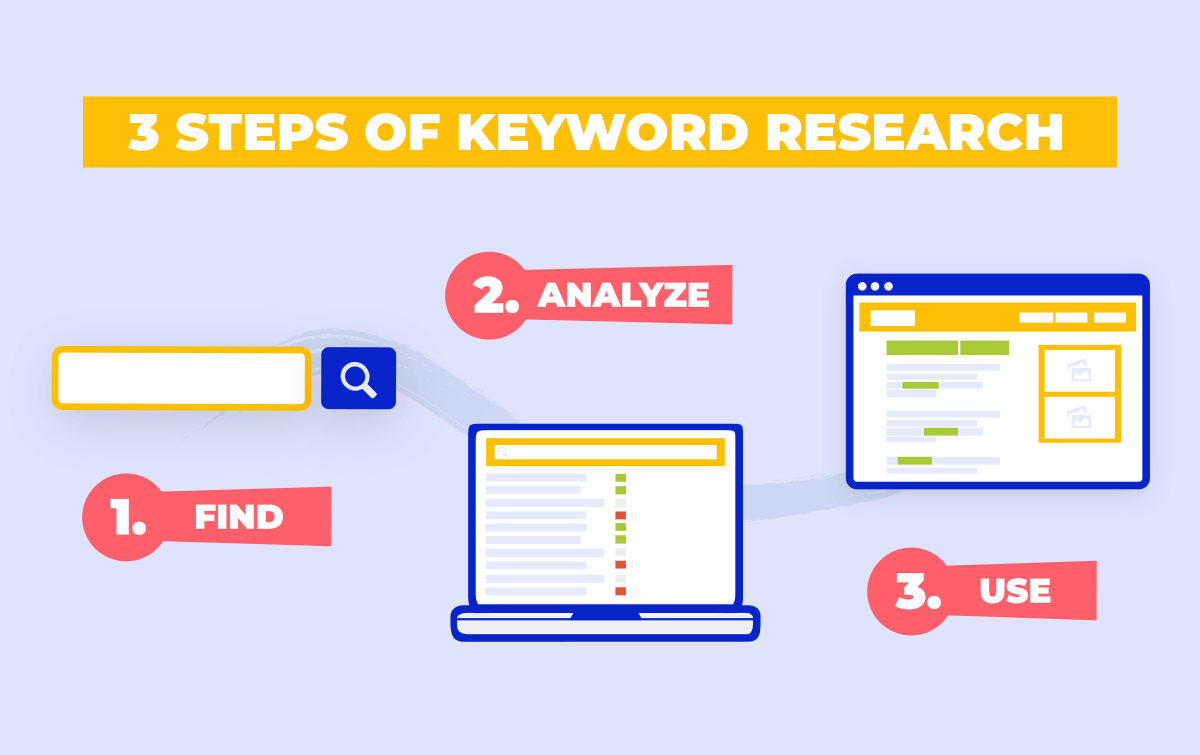
To begin with, every successful SEO campaign starts with a deep understanding of keywords and the intent behind them. Without this foundation, even well-written content may fail to perform.
Understanding User Intent in Depth
First and foremost, search intent determines the purpose behind every query. It generally falls into four categories:
- Informational intent (users seeking knowledge)
- Navigational intent (users searching for a brand or website)
- Commercial intent (users comparing options before purchase)
- Transactional intent (users ready to convert)
Moreover, aligning content with intent ensures higher engagement and improved ranking potential.
Strategic Keyword Research Approach
In addition, a strong keyword research process should include:
- Identification of primary, secondary, and LSI keywords
- Long-tail keyword targeting for lower competition
- Competitor keyword gap analysis for opportunities
- Topic clustering for structured content planning
- Prioritization of high-intent, conversion-driven keywords
As a result, your SEO strategy becomes more focused and effective.
2. Fully Optimized On-Page SEO Implementation
Furthermore, on-page SEO plays a critical role in helping search engines understand your content and rank it appropriately.
Title Tags, Meta Descriptions, and CTR Optimization
To improve visibility and click-through rates:
- Include primary keywords naturally in titles
- Keep titles concise yet compelling
- Write persuasive meta descriptions that encourage clicks
- Avoid repetitive or keyword-stuffed phrasing
Consequently, well-optimized metadata directly improves organic traffic performance.
Content Structure and Heading Hierarchy
In the same way, structured content enhances readability and indexing:
- Use a single H1 per page for clarity
- Organize content using logical H2 and H3 sections
- Integrate keywords naturally into headings
- Maintain a smooth and logical content flow
URL Structure and Semantic Optimization
Additionally, SEO-friendly URLs contribute to better crawlability:
- Keep URLs short and meaningful
- Use hyphens instead of underscores
- Include relevant keywords where appropriate
- Avoid unnecessary parameters or complex strings
3. High-Performance Content Development Strategy
Above all, content quality remains the foundation of modern SEO success. Search engines now prioritize depth, relevance, and value over keyword frequency.
Creating Value-Driven Content
High-performing content should:
- Fully satisfy user intent without gaps
- Provide original insights and actionable information
- Include real-world examples and explanations
- Be structured for easy scanning and readability
- Maintain freshness through regular updates
Moreover, comprehensive content increases dwell time and strengthens engagement signals.
Strengthening Content Authority and Trust
In addition to quality, authority plays a major role in rankings:
- Incorporate data-backed insights where possible
- Demonstrate subject expertise through detailed explanations
- Maintain accuracy and consistency throughout content
- Focus on solving real user problems effectively
As a result, your content gains higher credibility in the eyes of both users and search engines.
4. Technical SEO Excellence and Website Health Optimization
Meanwhile, technical SEO ensures that your website is fully accessible, fast, and properly indexed by search engines.
Site Speed and Performance Enhancement
To improve loading performance:
- Compress and optimize all images
- Implement caching mechanisms
- Use a reliable content delivery network (CDN)
- Reduce unnecessary JavaScript and CSS files
Consequently, faster websites deliver better user experiences and stronger rankings.
Mobile-First Optimization Standards
Since Google prioritizes mobile-first indexing:
- Ensure fully responsive website design
- Optimize navigation for mobile usability
- Improve readability across all devices
- Eliminate intrusive pop-ups and disruptions
Crawlability, Indexing, and Site Structure
Additionally, technical SEO must include:
- Proper XML sitemap submission to search engines
- Clean and optimized robots.txt configuration
- Resolution of broken links and redirect errors
- Correct implementation of canonical tags
5. Core Web Vitals and User Experience Enhancement
In addition, user experience is now a direct ranking factor, making Core Web Vitals essential for SEO success.
Key Performance Metrics
- LCP (Largest Contentful Paint) for loading speed
- INP (Interaction to Next Paint) for responsiveness
- CLS (Cumulative Layout Shift) for visual stability
Improving User Experience for Better Rankings
To enhance UX:
- Use a clean and modern website layout
- Ensure intuitive navigation and structure
- Improve readability with proper typography and spacing
- Minimize distractions such as excessive ads or pop-ups
Therefore, improved UX leads to stronger engagement and better search performance.
6. Internal Linking Strategy and Site Architecture Development
Furthermore, internal linking helps distribute authority across your website and strengthens overall SEO structure.
Effective Internal Linking Practices
- Link related blog posts and service pages strategically
- Use descriptive anchor text for better context
- Strengthen high-priority pages with internal links
- Build structured topic clusters around core services
As a result, search engines can better understand your website hierarchy.
7. Off-Page SEO and Digital Authority Building
On the other hand, off-page SEO focuses on building credibility and trust outside your website.
High-Quality Backlink Acquisition Strategy
Strong backlinks should come from:
- Authoritative and relevant websites
- Industry-specific publications
- Guest posting opportunities on trusted platforms
- Organic editorial mentions from reputable sources
Moreover, quality backlinks significantly improve domain authority.
Brand Building and Online Reputation Growth
In addition to backlinks, authority is strengthened through:
- Consistent brand mentions across digital platforms
- Strategic PR campaigns and outreach
- Creation of shareable and valuable content
- Collaboration with industry influencers and partners
Consequently, stronger brand signals lead to improved search rankings.
8. Local SEO Optimization for Regional Market Visibility
If your business targets specific geographic locations, local SEO becomes essential for capturing nearby customers.
Local SEO Optimization Checklist
- Optimize and maintain Google Business Profile
- Ensure consistent NAP (Name, Address, Phone) details
- Collect and respond to customer reviews regularly
- Include location-based keywords in content
- Build citations across trusted local directories
As a result, your business gains stronger visibility in local search and map results.
9. Image Optimization and Multimedia SEO Enhancement
In addition, optimized images and media significantly improve both performance and accessibility.
Image SEO Best Practices
- Compress images for faster loading without quality loss
- Use descriptive file names aligned with target keywords
- Add meaningful ALT text for accessibility and SEO
- Use modern image formats such as WebP
Consequently, optimized media contributes to improved page speed and ranking performance.
10. SEO Analytics, Tracking, and Continuous Improvement
Finally, SEO is an ongoing process that requires constant monitoring, evaluation, and optimization.
Essential SEO Tools and Platforms
- Google Search Console for indexing and performance tracking
- Google Analytics for user behavior analysis
- Advanced SEO tools for keyword tracking and competitor insights
Key Performance Indicators to Monitor
- Organic traffic growth trends
- Keyword ranking improvements
- Click-through rate (CTR) performance
- Bounce rate and user engagement metrics
- Conversion rates from organic traffic
Therefore, continuous tracking ensures sustainable SEO success and long-term growth.
Final Conclusion
In conclusion, modern SEO is a comprehensive and evolving discipline that requires a balanced integration of technical optimization, content excellence, authority building, and user experience enhancement.
Ultimately, businesses that implement a structured SEO system consistently outperform those relying on outdated or fragmented strategies.
For agencies like Aeth Digital, applying this advanced SEO checklist ensures not only higher Google rankings but also sustainable organic growth, stronger brand authority, and long-term digital success in highly competitive markets.
.png)



.png)


