
.avif)


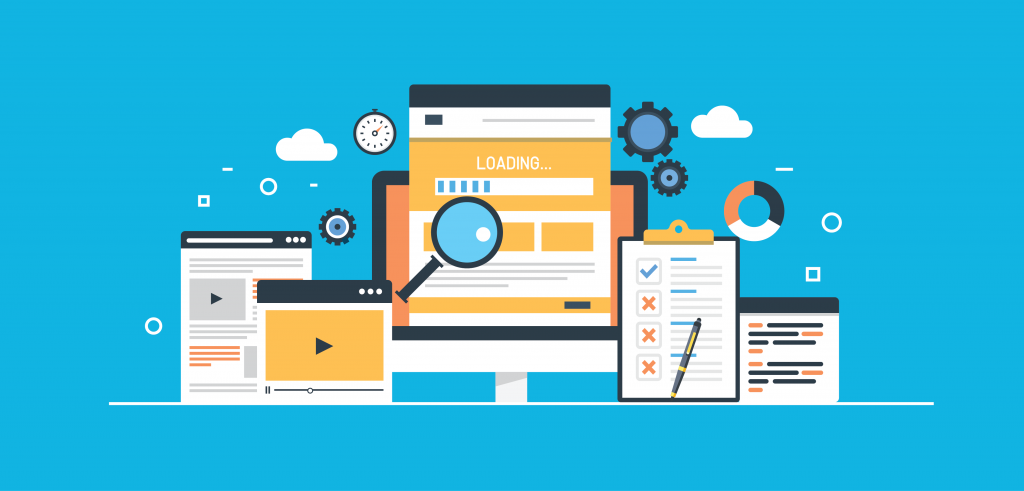
Common Website Design Mistakes That Kill Sales
Discover the most common website design mistakes that reduce conversions and kill sales. Learn how to fix them and turn your website into a high-performing sales machine with Aeth Digital...
Why Poor Website Design Is Quietly Destroying Your Sales (And What to Do Instead)
In the digital world, your website is often the very first interaction a potential customer has with your business. However, what many brands fail to realize is that users don’t judge websites the way business owners do. They don’t analyze effort or intention they simply decide whether to stay or leave within seconds.
At Aeth Digital, we consistently see businesses with strong services and great potential struggling to generate sales not because of their offer, but because of their website design. In reality, even small design flaws can silently reduce trust, increase bounce rates, and significantly impact revenue.
So, let’s break down the most damaging website design mistake and how to fix them strategically.
The Hidden Power of First Impressions in Web Design
First impressions online are instant. In fact, users form an opinion about your website in less than a second. That means before they read a single word, they’ve already decided whether your site feels trustworthy or not.
Moreover, this snap judgment is based on:
- Layout structure
- Visual clarity
- Loading speed
- Overall professionalism
If any of these elements feel off, users leave often without hesitation. Therefore, your website must immediately communicate clarity, credibility, and value.
Mistake #1: Unclear Messaging That Confuses Visitors
One of the most damaging issues we see is unclear or overly generic messaging. Many websites try to sound impressive instead of being understandable.
For example, statements like:
“We provide innovative digital solutions”
sound nice but say nothing meaningful to the visitor.
Why this hurts conversions
If users cannot instantly answer:
- What do you offer?
- Who is it for?
- Why should I care?
they will not continue exploring your site.
How to fix it
To improve clarity:
- Use simple, direct language
- Focus on customer outcomes, not company achievements
- Clearly state your service in the first headline
Additionally, make sure your homepage immediately communicates your value proposition in seconds.
Mistake #2: Weak User Direction and Missing Action Paths
Even if your website looks good, it can still fail if users don’t know what to do next.
Unfortunately, many websites lack structured user journeys. Visitors land on a page and are left without guidance.
The problem this creates
Without direction:
- Users hesitate
- Engagement drops
- Conversions decrease
What to improve
To solve this:
- Add clear step-by-step navigation flows
- Use strong action-oriented buttons
- Guide users from awareness → interest → conversion
In addition, ensure each page has one primary goal instead of multiple competing actions.
Mistake #3: Performance Issues That Drive Users Away
Speed is one of the most underestimated factors in website success.
In fact, even a delay of a few seconds can dramatically increase bounce rates. Users expect websites to load instantly especially on mobile.
Common performance problems include:
- Heavy images
- Poor hosting
- Unoptimized scripts
- Excess plugins
The solution
To improve performance:
- Compress all media files
- Use modern caching techniques
- Remove unnecessary design elements
- Choose reliable hosting infrastructure
As a result, faster websites not only improve user experience but also increase search rankings.
Mistake #4: Overdesigned Pages That Distract Instead of Convert
A common misconception is that more design equals better design. However, overdesign often leads to confusion rather than clarity.
When users are overwhelmed by too many elements, they struggle to focus on what matters.
Signs of overdesign:
- Too many animations
- Excess colors and fonts
- Competing visuals
- Cluttered layouts
How to fix it
Instead:
- Use minimal, structured layouts
- Focus on hierarchy (what matters most first)
- Increase whitespace for readability
- Highlight key actions clearly
Ultimately, simplicity improves conversion.
Mistake #5: Poor Navigation That Breaks User Flow
Navigation is the backbone of your website experience. If users can’t find what they need quickly, they will not stay.
For instance, confusing menus or hidden pages create frustration and reduce trust.
What usually goes wrong:
- Too many menu items
- Poor labeling
- Inconsistent structure
Fix strategy:
- Keep navigation clean and predictable
- Use familiar terminology
- Group related services logically
Moreover, ensure important pages are reachable within two clicks.
Mistake #6: Ignoring Mobile Experience
Today, mobile users dominate web traffic. Therefore, a website that doesn’t function properly on mobile instantly loses a large portion of potential customers.
Common mobile issues:
- Broken layouts
- Tiny text
- Hard-to-click buttons
- Slow loading speeds
How to optimize
To fix mobile experience:
- Use responsive frameworks
- Test across multiple devices
- Prioritize mobile-first design thinking
- Simplify layouts for smaller screens
Consequently, a smooth mobile experience significantly increases conversions.
Mistake #7: Lack of Trust-Building Elements
People don’t buy from websites they don’t trust. However, many businesses fail to include essential credibility signals.
Missing trust elements often include:
- Client testimonials
- Case studies
- Reviews
- Certifications
- Real images
Why this matters
Without trust signals:
- Visitors hesitate
- Decision-making slows
- Sales drop
Improvement approach
To build trust:
- Showcase real client success stories
- Display logos of past clients
- Include transparent reviews
- Add proof of expertise
In short, trust turns visitors into customers.
Mistake #8: Weak or Invisible Call-to-Actions
A website without strong CTAs is like a store without a checkout counter.
Unfortunately, many websites either:
- Hide CTAs
- Use vague wording
- Or overload users with too many choices
The result
This leads to:
- Decision paralysis
- Lower engagement
- Missed conversions
Better approach
Instead:
- Use clear action language (“Get Started”, “Request a Quote”)
- Make buttons visually dominant
- Repeat CTAs strategically throughout the page
Additionally, ensure each CTA aligns with a specific stage of the user journey.
Mistake #9: Inconsistent Branding That Weakens Identity
Brand consistency plays a major role in user perception. However, many websites lack uniformity in design and messaging.
Common inconsistencies:
- Different font styles
- Varying color tones
- Mixed communication style
Why this is harmful
Inconsistency makes a brand feel unreliable or unprofessional.
Solution
To fix this:
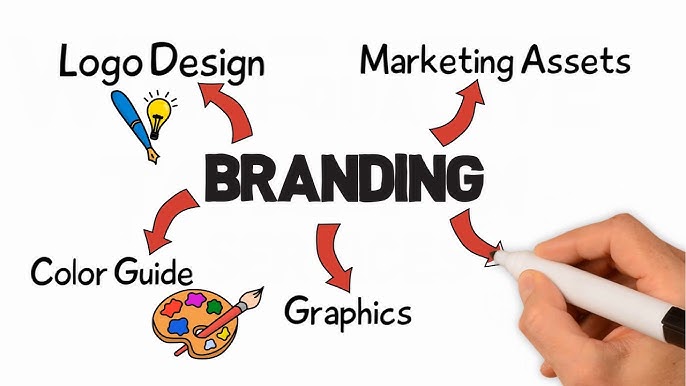
- Develop a clear brand style guide
- Maintain uniform design patterns
- Align visuals with brand personality
As a result, consistency builds familiarity and trust.
Mistake #10: Ignoring SEO During Design Phase
Many businesses treat SEO as an afterthought. However, design and SEO are deeply connected.
Design-related SEO issues include:
- Poor site structure
- Missing headings
- Unoptimized images
- Slow performance
Fix approach
To align design with SEO:
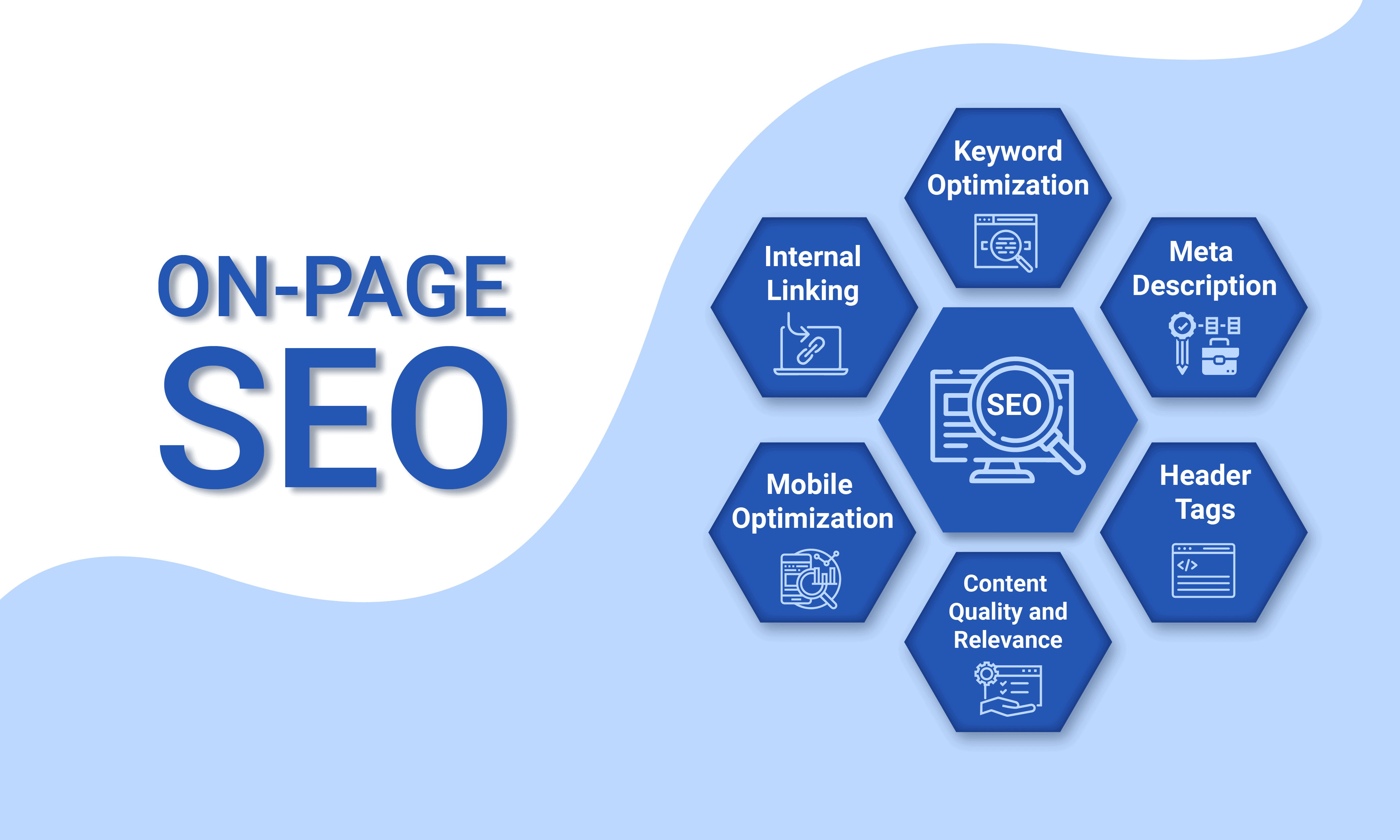
- Use proper heading hierarchy (H1, H2, H3)
- Optimize images for speed and clarity
- Ensure clean code structure
- Improve internal linking
Therefore, SEO-friendly design improves both visibility and conversions.
Mistake #11: Complicated Conversion Processes
Even if users want to buy or contact you, a complicated process can stop them.
Common friction points:
- Long forms
- Too many steps
- Unclear instructions
Why this reduces sales
Every extra step increases drop-off rates.
Optimization strategy
To improve conversions:
- Reduce form fields
- Simplify checkout processes
- Offer guest or quick options
Ultimately, less friction equals more sales.
Final Insight: Design Is Not Decoration It Is Strategy
A successful website is not just visually appealing it is strategically built to convert. In conclusion, every element on your website should answer one question: Does this help the user take action? If the answer is no, it is likely hurting your sales. At Aeth Digital, we specialize in transforming underperforming websites into high-converting digital assets. Through strategic design, SEO integration, and performance optimization, we ensure your website doesn’t just exist it performs.
.png)

.png)


